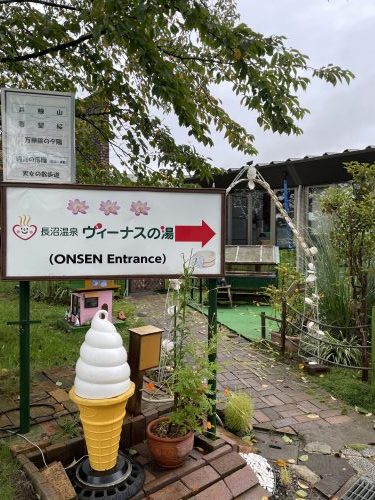
This time, I'd like to introduce Venus-no-yu , a nearby hot spring, as a "Kanyo plus one".
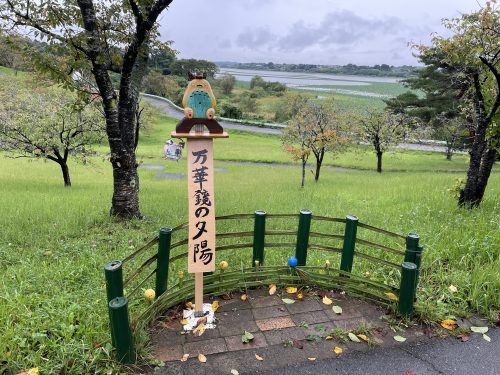
Venus-no-Yu is a one-day hot spring facility located on the shores of Lake Naganuma, a colony of lotus.
You can enjoy the seasonal flowers and the blue sky in nature, and enjoy walking and marathon with the sparkle of water. There is a Futopia Park and Boat Stadium, and at the Tohoku Food Marathon in the spring and the Hyoroyama Park pier in the summer, you can board a sightseeing boat and see the spectacular view of Naganuma. After enjoying the healing effect of the natural bath, taking a hot spring brings out the natural healing power of the body and becomes a recovery agent.
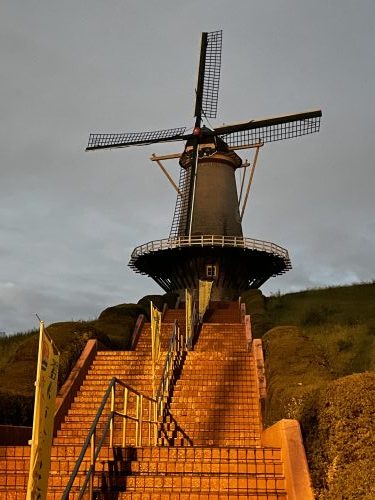
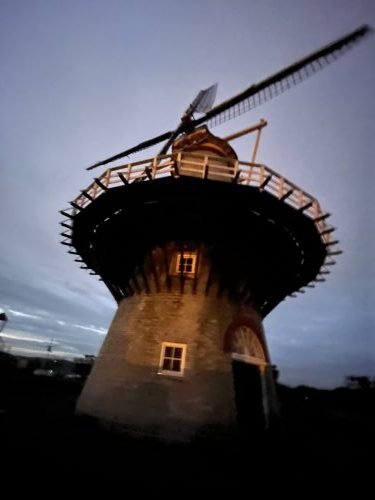
It takes about 5 minutes by car from Venus-no-Yu to reach Futopia Park. Footpia Park has a campsite, a long 111m roller slide, and an athletic plaza. The windmill at dusk was so fantastic!
[Dutch windmill]
It is a wind turbine that operates only with wind power, which is only a few in Japan ordered from the Netherlands. Currently, it is operated by a windmill engineer every Saturday, Sunday and public holidays. The windmill, which stands on a small hill and is over 21m high, takes in the wind and is very magnificent, and many customers enjoy taking pictures and videos.
[ About 50 minutes drive to Venus-no-Yu hot spring ]
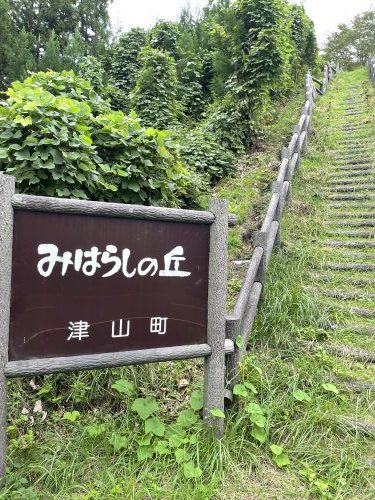
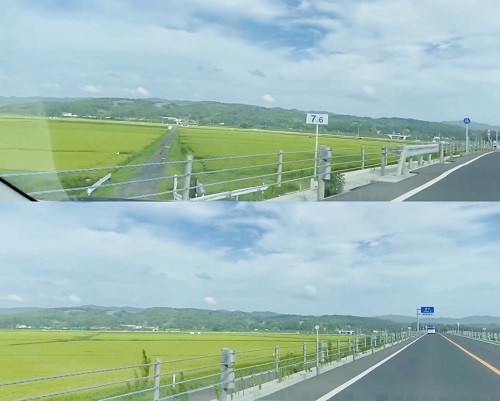
On the way to work, cross the Yanaizu Ohashi Bridge, enter National Highway No. 45, there is the Miharashi-no-oka(Hill of the view points) sign along the road about 300 meters away.
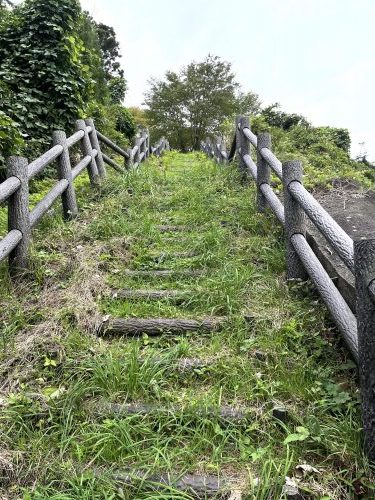
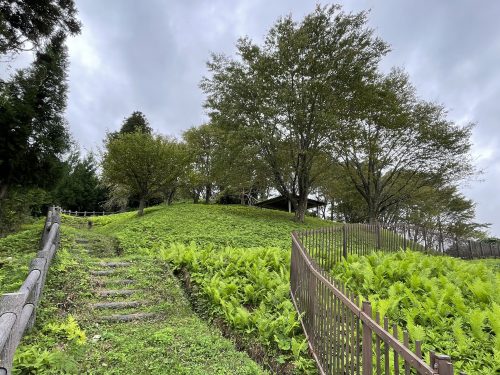
Start climbing the grassy stairs.
Climb further ...
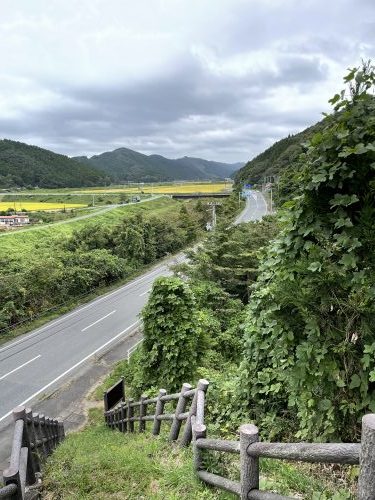
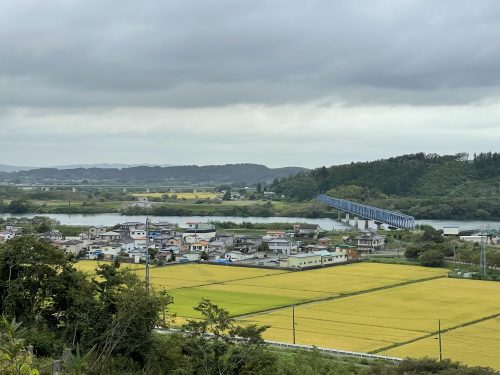
Looking back, you can see National Highway No. 45. If you continue straight by car, you will reach the " Mokumokuland land" in 5 minutes and Minamisanriku Hotel Kanyo in 20 minutes.
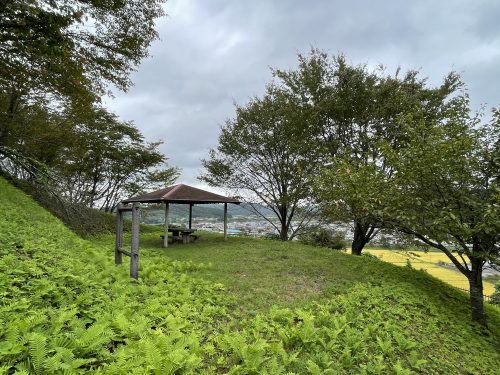
You will reach the top in less than 5 minutes. There was a covered rest area.
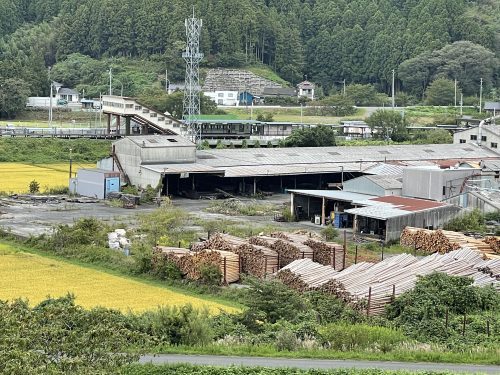
You can see JR Yanaizu Station behind the sawmill. Yanaizu station was introduced in the blog on July 21st.
Our hotel has a game arcade called "Takarajima(Treasure Island)" that will not make you bored. This time I would like to show you the state of our game center.
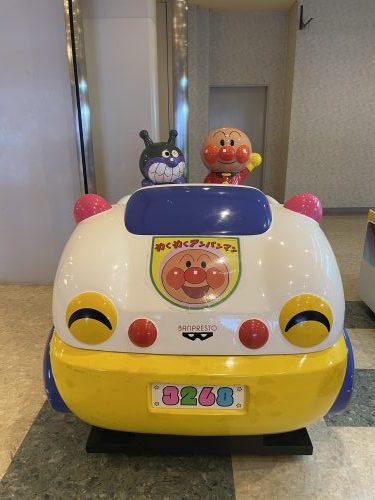
Wakuwaku Anpanman
Kiddie ride of a car with Anpanman and Baikinman. Equipped with a monitor, you can enjoy driving while watching Anpanman's patrol. During the patrol, you can meet various friends and play Baikinman battles.
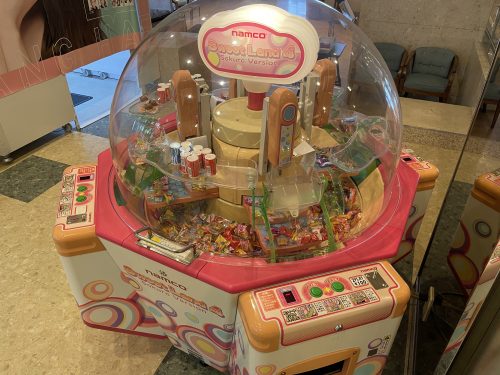
Sweet Land 4 (Sakura Version)
It supports 4-player play, and there are tables with prizes on all sides of the dome. The upper table and the lower table are arranged in a staircase pattern, and when the upper table moves back and forth, the prizes on the lower table fall and can be obtained from the prize acquisition opening.
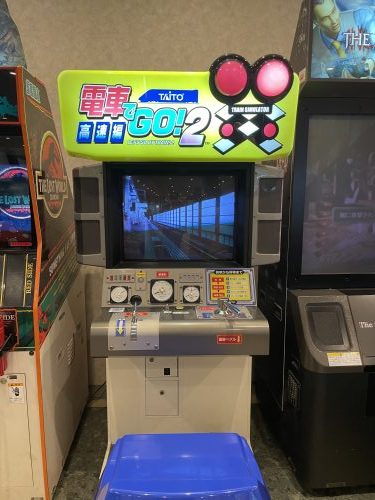
Densha de Go! 2 Kosoku-hen( Go by train! 2 High Speed Volume)
This game is a train driving simulation game. The player is given an allotted amount of time to bring their train into the next station as well as a fixed time that the train was expected to arrive. If the player goes around curves too fast, stops suddenly or incurs other such dangers of train operation a few seconds are taken way from the remaining time they have to complete their task.
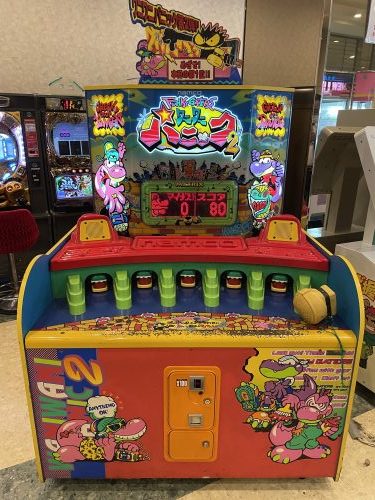
Waku Waku Panic 2
Hit the crocodile lined up with 5 crocodile with a hammer to repel it, but when the crocodile advances to a certain line, it will be bitten and points will be deducted, and the difficulty level will change depending on the player's score.
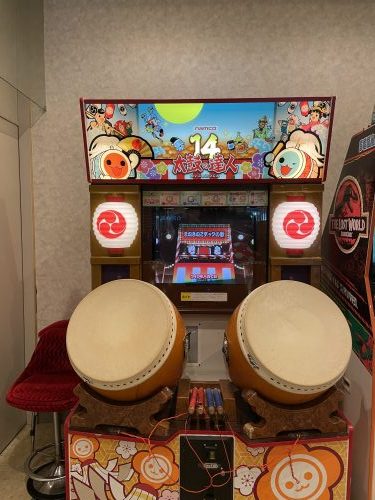
Taiko no tatsujin (Expert of the drum)
Taiko no Tatsujin is a taiko rhythm game that everyone from children to adults can enjoy with a simple play of "just hitting the taiko in time with the rhythm of thesong"!
There are many more, so please come and stay, and check it out. The game consoles we have introduced are as of today. Please note that the model will be replaced in the future.
The game center is normally open from 11:00 to 24:00, but it is currently open in a short time due to the new coronavirus.
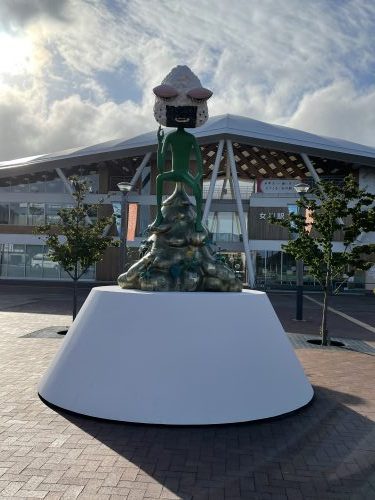
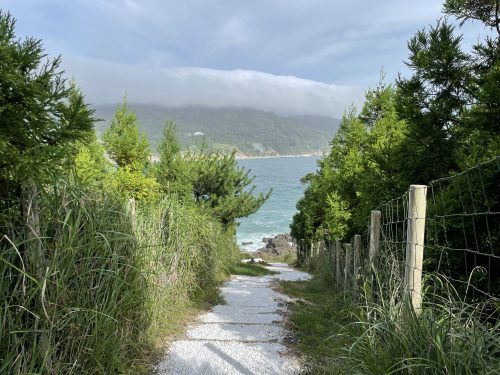
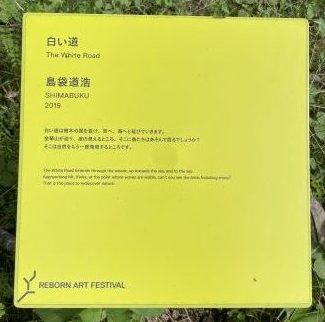
(White Deer) Standing on Oginohama on the Oshika Peninsula, it looks up at the distant sky and faces the Seto Inland Sea and Inujima, the origin of the trip.
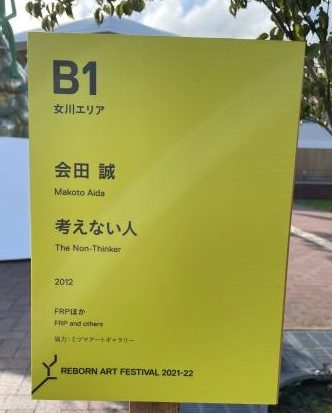
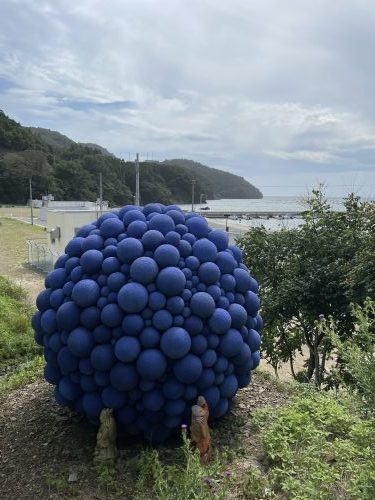
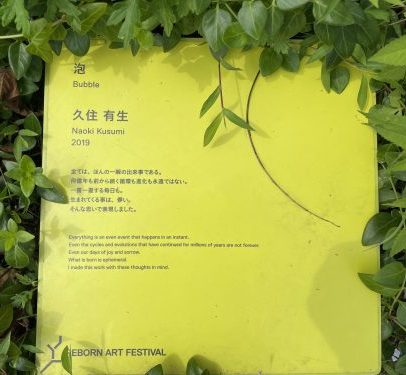
The Reborn Art Festival is a festival where you can enjoy "art," "music," and "food" set in the Oshika Peninsula and the city of Ishinomaki.
This festival, which will be the third time, will be held in two separate events, summer 2021 and spring 2022, in order to reduce the risk of infection with the new coronavirus infection.
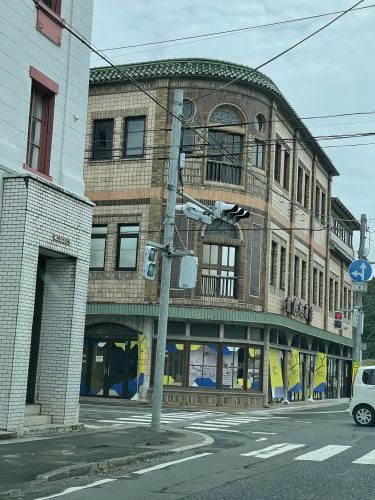
( Former Kankeimaru Shoten )
On the 2nd floor of the former Kankeimaru Shoten, you can appreciate Tomoo Hirose's "Cool Down" and "Untitled (Mint Garden)" using herb mint.
( Ishinomaki Manga Museum )
The work "Gift of Light" by artist Kyota Takahashi will be held in different colors every day during the period.
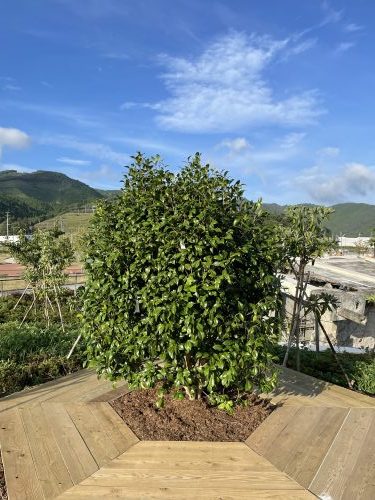
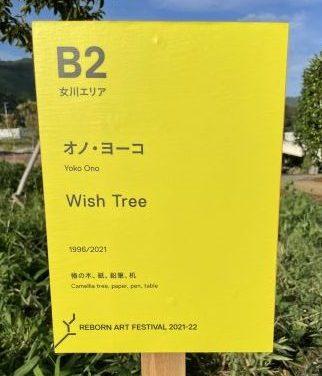
"Wish Tree" is a series of participatory works that Yoko Ono continues all over the world. People write their personal wishes on strips and tie them to tree branches. So far, more than 1 million wish cards have been collected, all stored in the Wishing Well of IMAGINE PEACE TOWER in Iceland.
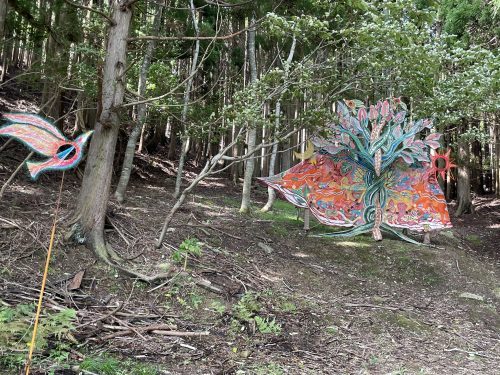
Mariko Kobayashi's "Owarino nai yorokobi (Endless Joy)" that dynamically depicts the ecological cycle of animals and plants living in the forest and the sea.
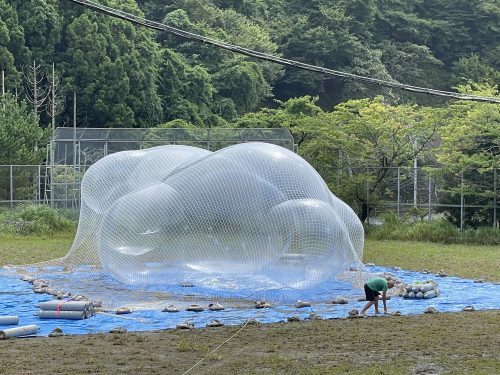
Taro Shinoda's "Yohnenki no owarini (At the end of childhood)" using a huge balloon.
Please kindly check the latest information from the public site.
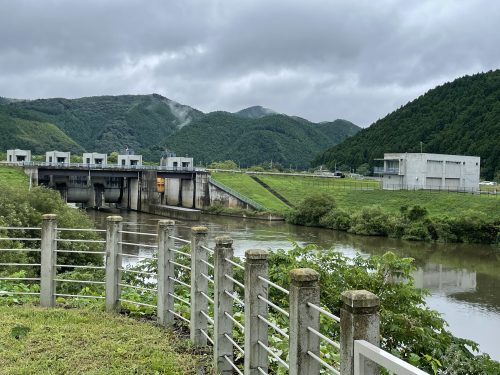
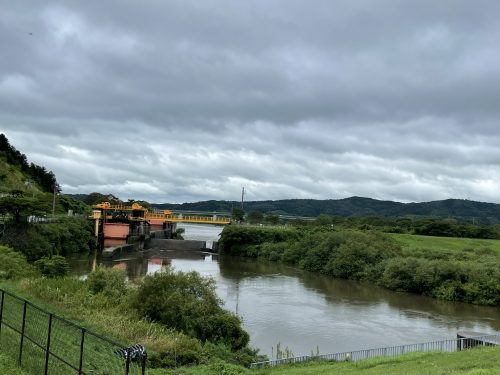
This time, I would like to introduce a historical park set up in a sandbar at the point where the Kitakami River and the former Kitakami River branch off.
Located on the border between Tome City and Ishinomaki City, this park is located in an artificial sandbar where the Kitakami River and the former Kitakami River branch off, and you can learn about the history of hydraulic control of the Kitakami River.
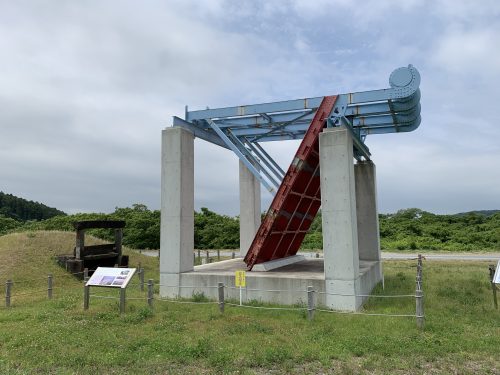
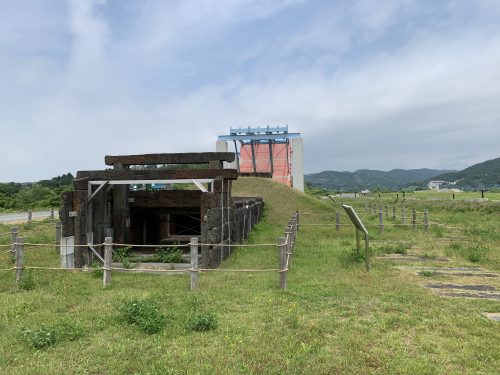
At the diversion point of the Kitakami River and the former Kitakami River, two sets of old and new wash dams and floodgates, which are separated by more than 70 years at the time of construction, coexist.
In August and September of 1897, a large flood occurred nationwide. The same applies to the Kitakami River basin. Government decided to drain most of the water from the Kitakami River to Oppa Bay via the widened Oppa River. This is the new Kitakami River.
As a result, the amount of water in the former Kitakami River can be adjusted at the former Kitakami River diversion facility. A 762m closing levee was built between the Tokinami-washing weir and the Wakiya-washing weir. This deadline is the current Kitakamigawa River Historical Park. The Tokinami closing levee and Wakiya lock were completed in 1945, the Tokinami and Wakiya locks were completed in 1945, and the Tokinami and Wakiya locks were built later.
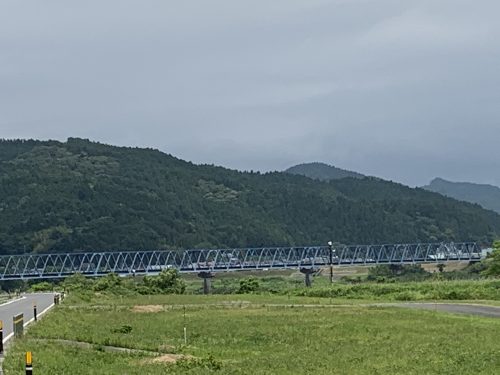
The JR East / Kesen-Numa Line railroad tracks and railway bridges run on the north side, the Sanriku Expressway and its bridges on the west side, Prefectural Road 61 on the south side, and National Road 342 on the east side.
An observatory overlooking the entire park is set up, and on the north side you can see the state of the Tokinami wash weir, and on the south side you can see the historical buildings such as the Wakiya wash weir and lock gate.